Article Outline
What Are the Reasons Cemeteries Might Have Rules Against Opening a Casket Outdoors?
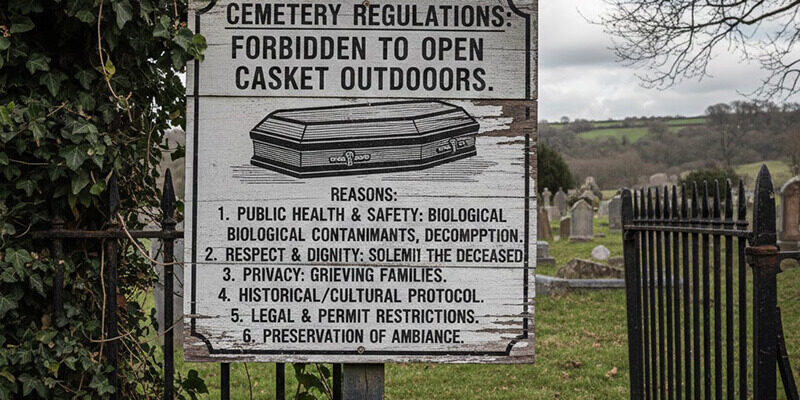
Cemeteries around the world follow strict rules about opening caskets outdoors. These rules exist for many important reasons. The rules protect people’s health. They show respect for those who have died. They also follow laws that keep everyone safe. When we understand these rules, we can see why cemeteries take them so serious.
Health and Safety Reasosn
Opening a casket outside creates health risks. Dead bodies release gases and fluids. These substances can carry diseases. The CDC (Centers for Disease Control) warns that some diseases can spread from bodies to living people. Bacteria grow fast in warm weather. Viruses can survive on surfaces for days.
Cemetery workers need special training. They wear gloves, masks, and protective gear. Without this equipment, people face danger. The air around an open casket can smell bad. This smell comes from decomposishun. Some people get sick from breathing these odors.
 Respect for the Decased
Opening caskets outdoors shows disrespect. Families want their loved ones treated with dignity. When a casket opens outside, anyone can see the body. Wind can blow dust onto the deceased. Rain can damage the body and clothing. Sunlight can cause further deteriorashun.
Cemetery staff understand this concern. They create rules that honor the deceased. Indoor facilitis provide a clean, private space. The temp. (temperature) stays controlled. Lighting can be adjusted. Family members can say goodbye in peace.
Legal Protecshun
Laws regulate the manner in which cemeteries handle bodies. There are biological waste EPA (Environmental Protection Agency) rules. In addition, there are rules in each state health dept (departments). Violating these laws can attract fines. Cemeteries may also lose their licenses.
Excavate bodies permits are needed to exhume. This means digging up a coffin that was already buried. The permit process takes time. A request must be approved by officials. Doctors and coroners might need to be present. Such rules exist because opening caskets is serious business.
Emotional Effects on Families
It could be emotional seeing the body after some time has passed. Decomposition alters one’s looks. Hence, family members may not recognize their loved ones. This can even cause emotional torture that lasts for years.
Psychologists observe that seeing a decomposed body could lead to PTSD (Post-Traumatic Stress Disorder). Children are the especially vulnerable ones. The memory might overtake the happy moments that once made them joyous as they were alive.
Enviromental Factors
Weather constitutes an important external risk factor in the opening of a casket. The warmth serves to hasten decomposition. The cold can incapacitate the flow of body fluid. Winds are favorable to the spread of harmful particles. Rain guarantees the washing of contaminants into soil and groundwater.
Outside temperatures are not a constant phenomenon throughout the day. Inside a building are conditions controlled by the workers: they can cool the room, be it by air-conditioning or air-filtration. As an extra precaution, the arrangements above will secure both the body and the individuals present.
Another problem posed by insects is that flies and other types of insects are attracted to dead bodies. They can land upon the remains, creating an integral bacterial pathway. This problem is curbed if the situation is indoors.
Indications in Other Countries
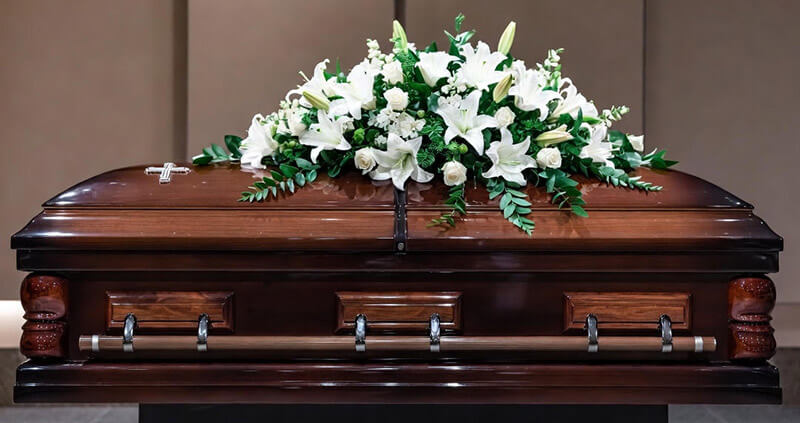
Other countries trace a similar path. In the UK, a cemetery is under strict rules provided by local councils. Opening a casket is done by permission granted through the MOJ. Health inspection accompanies the process.
In Japan, Buddhist traditions greatly honor respect for the dead. There are quite particular regulations regarding the matter of cemeteries and the handling of remains. Opening a casket outside is considered disrespectful. The family must therefore go to a designated indoor space for this activity. Such rooms are equipped with adequate ventilation and lighting.
In Mexico, where Day of the Dead celebrations are held to venerate ancestors, cemeteries still impose regulations for casket openings. The families are allowed to visit the graves and decorate them. However, for opening caskets, special permission must be attained, and it must be done in controlled environments.
Brazil experienced problems with informal exhumations. In some rural areas, families attempted to open caskets outdoors as part of funerals. This caused outbreaks of disease. In reaction, the government tightened restrictions; today, all casket openings must happen in licensed facilities, and staff must be present.
Conclusion
Cemetery rules against opening caskets outdoors serve multiple purposes. They protect public health. They show respect for the deceased. They follow legal requirements. They consider the emotional wellbeing of families. They account for environmental factors.
These rules might appear too punitive. Nevertheless, there are good reasons behind their existence. Every regulation is put into place for a reason. Cemetery staff are not hell-bent on making things difficult. They want to protect everyone involved.
Knowing these reasons can help families make wiser decisions. It explains why it matters to have proper facilities. It explains why the remains should be handled by trained professionals. Most importantly, it shows that these rules come from a place of care and concern for human dignity.
Read more: https://www.jiahengstone.com/blog