
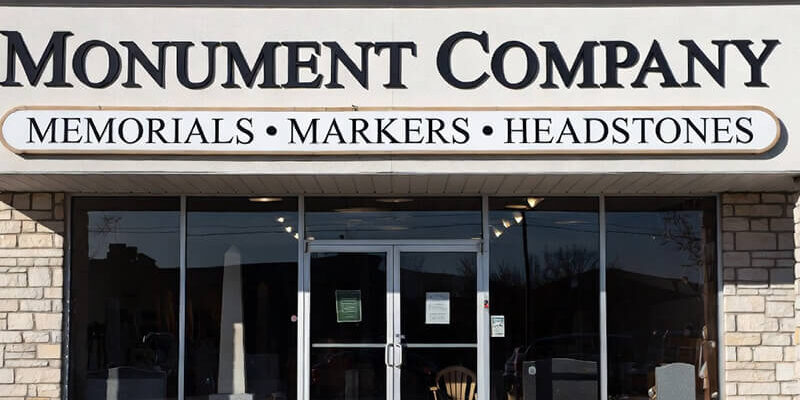
Monument Company Guide
Table of Contents
- What Is a Monument Company?
- Services Monument Companies Offer
- Real Examples of Monument Companies
- How to Choose the Right Monument Company
- Industry Standards and Regulations
What Is a Monument Company?
A monument company creates memorial markers and headstones. These are installed at burial sites throughout their operational territory. Their services include designing and manufacturing granite or marble structures which they install at burial sites to commemorate deceased individuals. The manufacturing process needs skilled craftsmen who possess knowledge about stonework and engraving methods.
Monument companies provide support to families who experience one of the most challenging periods in their lives. Sarah Chen lost her father in 2022 and worked with Thompson Memorials in Ohio. “They helped me create something meaningful,” she shares. “The team listened to stories about my dad and suggested design elements that captured his love of fishing.”
Services Monument Companies Offer
These businesses provide comprehensive memorial solutions. Core services include custom design consultation, stone selection, engraving, and cemetery installation. Many companies also offer bronze plaques, mausoleums, and cremation memorials.
Modern monument companies use CAD (computer-aided design) software to create accurate previews. Memorial production starts after customers view their memorial design. The average turnaround time is between 6 and 12 weeks while rush orders need 3-4 weeks for completion.
Take the case of Marcus Williams from Atlanta. His family required a special memorial for his grandmother who dedicated 40 years to piano instruction. Eternal Stone Works created a black granite headstone with laser-etched musical notes and her favorite Beethoven quote. “It took eight weeks, but the result was perfect,” Marcus recalls.
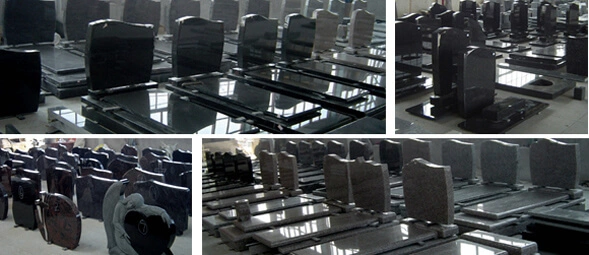
Monument-_-Headstone-Inside-The-Factory
Real Examples of Monument Companies
Rock of Ages started its operations in 1885 from Vermont and has grown into one of North America’s major monument manufacturing companies. The company has a workforce of over 1,200 which produces about 100,000 memorials annually. Their quarries extract approx 50,000 tons of granite each year.
Family-owned companies like Quiring Monuments in Washington continue to operate for multiple generations while serving their local communities. The Quiring family has operated since 1905, with four generations contributing to the craft. Owner David Quiring notes, “We create about 800 monuments per year and know most of our customers through previous family memorials.”
Matthews International (MATW on NASDAQ) represents the corporate side of the industry. The publicly traded company generated $1.6 billion in revenue from its memorial products division during 2023 which demonstrates the industry has a significant economic influence.
How to Choose the Right Monument Company
Researching monument companies requires both investigation and personal relationship building. Start by checking credentials with the BBB (Better Business Bureau) and reading customer reviews. Customers can visit showrooms to evaluate craftsmanship while discussing design plans with staff members in person.
Jennifer Rodriguez from Texas visited five companies before making her choice. “Price mattered, but I needed to trust the people handling my mother’s memorial,” she explains. “The third company I visited had a portfolio showing diverse designs, transparent pricing, and a designer who asked thoughtful questions about Mom’s life.”
Customers should evaluate warranty coverage (minimum 10 years), material quality, installation expertise, and understanding of cemetery regulations. Experienced companies can successfully navigate cemetery requirements because some cemeteries enforce particular dimension and foundation specification rules.
Consumer Protection: The Federal Trade Commission’s Funeral Rule requires monument companies to provide written price lists and prohibits them from claiming certain materials last forever. The regulation protects consumers by preventing businesses from using deceptive advertising methods to promote their goods.
 Industry Standards and Regulations
Monument companies must follow both industry standards and local regulations. The MBNA establishes best practices for stone quality, engraving depth, and installation methods. Most states require monument dealers and installers to obtain licensing or registration before they can operate their businesses.
Granite suppliers with high standards for monument quality need to select granite which has a minimum compression strength of 19,000 psi (pounds per square inch). This process guarantees that the materials will withstand both temperature variations and weather conditions. Engraving depth needs to reach a minimum of 3/8 inch to ensure long-term readability.
works as a third-generation monument craftsman based in California who stresses the value of proper monument installation. “We have put together a large collection of repaired monuments which other companies installed without proper foundation work” he states. “A memorial represents permanence. Our industry owes families nothing less than work that endures.”
Monument companies help people who experience grief to find ways to remember their loved ones. Through their work, they turn cold stone into warm tributes which assist families in both mourning their loss and honoring the memories of those who have passed away. The companies offer a range of memorial options which establish physical links to past generations through their basic flat markers and their detailed upright monuments.