
Is Blue Pearl Granite Rare?
Table of Contents |
What Is Blue Pearl Granite?
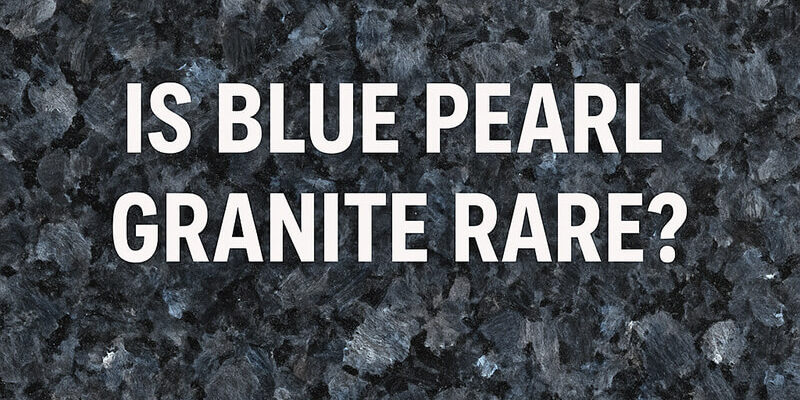
Blue Pearl granite catches your eye the moment you see it. This stone comes with a deep blue-gray base color. Small crystals sparkle across the surface like stars in the night sky. These sparkles come from a mineral called larvikite. The stone forms deep in the earth over millions of years.
People call it “pearl” becuz of the way light bounces off those tiny crystals. When you walk past it, the surface seems to shimmer and change. No two slabs look exactly the same. Each piece has its own pattern of blue, gray, and silver tones.

Where It Comes From
This granite comes from Norway. Workers pull it from quarries in a region called Larvik. That’s why geologists sometimes call it Larvikite instead of Blue Pearl. Norway has the only major deposits of this stone in the world. That fact alone makes it less common than other granites.
The quarries in Norway have operated for over 100 yrs. Companies extract the stone in large blocks. Then they ship these blocks to countries around the world. The US imports Blue Pearl granite for use in homes, buildings, and memorials. The long journey from Norway to other countries adds to the overall cost.
Why People Love This Stone
The beauty of Blue Pearl granite makes people stop and stare. Homeowners choose it for kitchen countertops becuase it looks elegant. The blue color works well with many cabinet styles. Interior designers favor it for bathroom vanities and fireplace surrounds.
Sarah Chen, a designer from Portland, picked Blue Pearl for her client’s kitchen renovation in 2023. She explains: “My client wanted something special. When we looked at samples, the Blue Pearl stood out. The crystals caught the light from the kitchen window. It transformed the whole space.”
The stone stays strong and durable for decades. It resists scratches better than many other materials. Heat from pots and pans won’t damage it. These practical benefits combine with its stunning looks.
The Rarity Factor
Yes, Blue Pearl granite qualifies as rare compared to common granites. The single-source location in Norway limits the supply. You can find black, white, or tan granite from dozens of countries. Blue Pearl comes from one specific area.
Geologists estimate that larvikite deposits exist nowhere else on Earth with the same quality and quantity. This geological fact creates natural scarcity. Mining companies can’t just open new quarries in other countries.
Supply and demand affect availability too. When construction booms happen, supplies get tight. Fabricators sometimes wait months for shipments. This wait time doesn’t happen with more common stone types.
According to the Natural Stone Institute (NSI), Blue Pearl represents less than 2% of all granite imported into the US each year. That statistic shows how limited it remains in the market. The Marble Institute of America (MIA) classifies it as a premium stone due to its scarcity.
Using Blue Pearl for Memorials
Many families choose a blue pearl granite headstone to honor their loved ones. The stone’s beauty and strength make it perfect for outdoor memorials. It weathers well through rain, snow, and sun. The sparkeling surface creates a peaceful, reflective quality.
Memorial designers say Blue Pearl works especialy well in cemetery settings. The blue-gray color looks dignified and timeless. It stands out from the sea of gray and pink headstones that fill many cemetaries. Families appreciate how the stone catches morning and evening light.
James Rodriguez lost his grandmother in 2022. His family selected Blue Pearl granite for her headstone. He shares: “Grandma loved the ocean and the night sky. This stone reminded us of both. When we visit her grave, the surface shimmers like she’s still with us. Other families at the cemetery ask us about it.”
A blue pearl granite headstone lasts for generations. The stone resists weathering better than marble or limestone. Inscriptions stay sharp and readable for 100+ years. This longevity matters when creating a lasting tribute.
Memorial companies charge more for Blue Pearl than standard granite. The price reflects both its rarity and the shipping costs from Norway. Most fabricators keep it in stock becuase families request it for special memorials.

Cost Comparison
Blue Pearl granite costs more than common granite types. A square foot might run $60-$90 installed. Compare that to basic black or tan granite at $40-$60 per square foot. The difference comes from its rarity and import costs.
For a blue pearl granite headstone, families can expect to pay $2,000-$5,000 depending on size and engraving. A standard gray granite headstone might cost $1,200-$3,000. The extra investment buys a unique memorial that stands apart.
Countertop costs vary by region and fabricator. The East Coast tends to see higher prices than the Midwest. Installation fees add $30-$50 per square foot on top of material costs. Many homeowners decide the beauty justifies the higher price tag.
Real Stories from Families
The Martinez family from Texas renovated their kitchen in 2021. They debated between several granite options. Mrs. Martinez remembers: “We almost chose a cheaper stone. Then we saw Blue Pearl in person. The way it sparkled changed everything. Three years later, we still love looking at it every day.”
Cemetery director Michael Thompson has worked in the memorial industry for 25 years. He notes: “Blue Pearl requests have grown alot since 2020. Families want something that reflects their loved one’s personality. This stone offers that uniqueness. I’ve seen people cry when they first see the finished headstone.”
Lisa Park chose Blue Pearl for her father’s memorial in 2023. She explains: “Dad worked as an astronomer. He spent his life studying stars. The crystals in this granite look like constellations. It feels like the perfect way to remember him. Friends and family comment on how beautiful it looks every time they visit.”
Care and Maintanence
Blue Pearl granite needs minimal care. For countertops, wipe up spills with soap and water. Seal the surface once per year to protect against stains. Avoid harsh chemicals like bleach or ammonia.
A blue pearl granite headstone requires even less maintainance. Rain washes away most dirt and pollen. Families can clean it once or twice per year with water and a soft brush. The stone won’t fade or deteriorate like some materials.
The Natural Stone Council (NSC) recommends pH-neutral cleaners for all granite. Never use vinegar or lemon juice becuz the acid can dull the polish over time. These simple rules keep Blue Pearl looking new for decades.
Scratches rarely happen on Blue Pearl becuase of its hardness. The stone rates 6-7 on the Mohs scale. That makes it harder than most kitchen knives. Still, use cutting boards to protect your investment.
Final ThoughtsBlue Pearl granite earns its reputation as a rare stone. The single-source origin in Norway creates natural scarcity. Its stunning appearance and durability make it worth the extra cost for many people. Whether you choose it for a blue pearl granite headstone or a kitchen countertop, you get a unique piece of Earth’s geology. The sparkeling crystals and deep blue tones ensure your stone stands out. Families who select it for memorials create lasting tributes that honor their loved ones with beauty and strength. |