
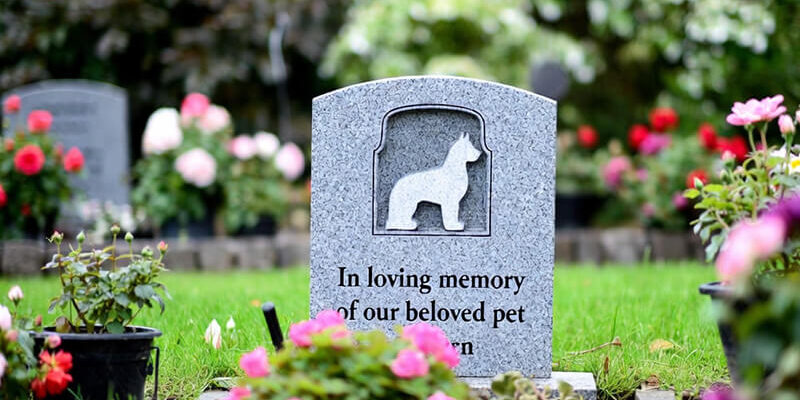
How Deep Does a Grave for a Dog Need to Be?
Table of Contents
Introductory Paragraph
The most painful event in the life of any pet parent is losing his or her furry friend. Depending on its owner, the dog is often buried in the yard of the house for most families when the time comes to say goodbye: in this way, they feel comforted, and the memory of the dog lasts closer by. Of course, there is one very important question to be raised: how deep must the grave be?
Some of the reasons a grave for your dog must be deep include protection from wild animals, prevention of oddities, and following the laws in your locality so as not to disturb your neighbors. This is an article that will guide you about everything you should know regarding proper digging of a grave for your dog.
Standard Depths Requirement
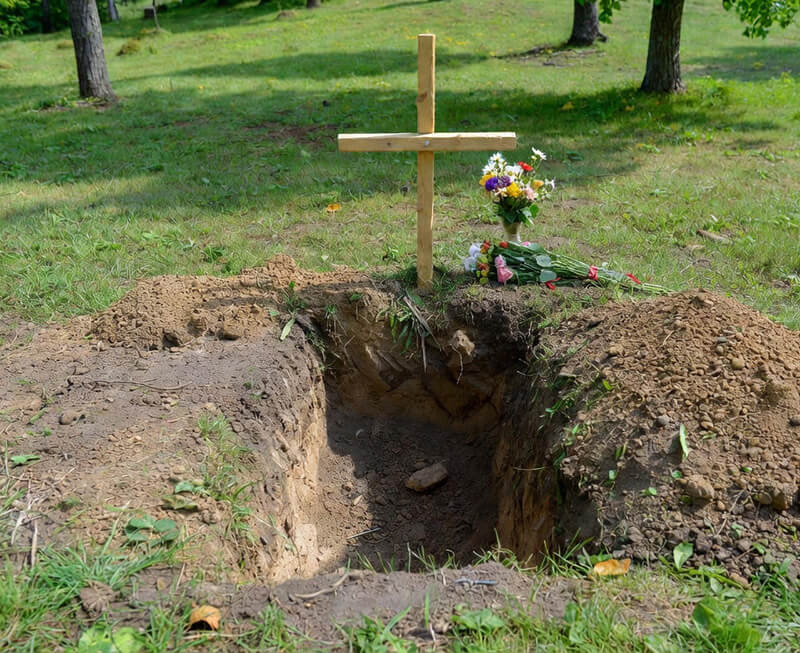
Most people who are experts advise at least a 3-feet-deep grave. These are all recommendations gathered after over years of experience from such animals. Certainly, this 3-foot rule holds for all dogs, from the small breeds to the larger ones.
Important Fact: AVMA postulates that it helps keep scavengers from disturbing a site at a depth of not less than 3 feet. It was observed that less than 2-feet-depth graves might have a 65% more chance of getting disturbed by scavengers.
You should take extra precaution for larger dogs weighing over 50 lbs. You can dig deeper into 4 to 5 ft depending on the size of the dog. This provides even more protection with a lesser chance of having problems in the future.
 Factors That Affect Depth
This is a very personal and situational reflection; one needs to think about all these things before digging.
The Size of the Dog: For example, a small dog like a Chihuahua will need a grave about 3 feet deep. A German Shepherd or a Lab will need 4 to 5 feet. The bigger the dog, the deeper the grave should be.
Soil Condition: Sandy soil is easy to bring through, but it will shift a lot. Clay soil is very hard to dig but quite stable in its place. Rocky soil would be quite difficult and at times needs very special tools to be able to excavate.
Water Table: This is the level where the ground water starts. If the grave is dug below the water table, there is a high chance for the area to fill with water, thus not suitable for burial. You should know how deep the water table in your area goes before you start digging.
Tip: Call your local utility company (approx 811 in the US) before you dig. They will mark underground pipes and cables for free, preventing dangerous accidents.
Climate: In a colder climate, the ground will all freeze in winter. Thus, you might need to dig deeper than frost line, which can be from about 3 to 4 feet in northern states. In warmer climates, 3 feet is usually enough.
Wildlife: The shallower the grave, the more likely it will be dug up by one of the many wild animals. Coyotes and foxes can dig them and even some neighborhood dogs. If you have lots of wildlife around, then minimum depth should be 4 to 5 feet.
Legal Requirements
Every state and every city has its own laws regarding burying pets. Some cities allow pets to be buried in the home, while others do not. You will need to verify those laws before you bury your dog.
Legal Fact: According to state law, pets must be buried at least 3 feet deep and 100 feet away from any water source in California. New York does not allow pet burial in some counties. Most rural areas in the state of Texas allow home burial without specifying the depth. However, cities usually have their rules.
Places usually provide specifications that the grave be a considerable distance from any water sources, as decomposing bodies can contaminate groundwater. Common requirements include:
• At least 50 to 100 feet from wells, streams, or ponds
• At least 3 feet deep (minimum)
• Not in a public park or protected land
• Not where future construction is planned
If you are renting your home or are in an HOA (homeowners association), you need to gain permission from the property owner or HOA board. Most rental agreements do not allow pet burial on the property.
How to Dig The Grave
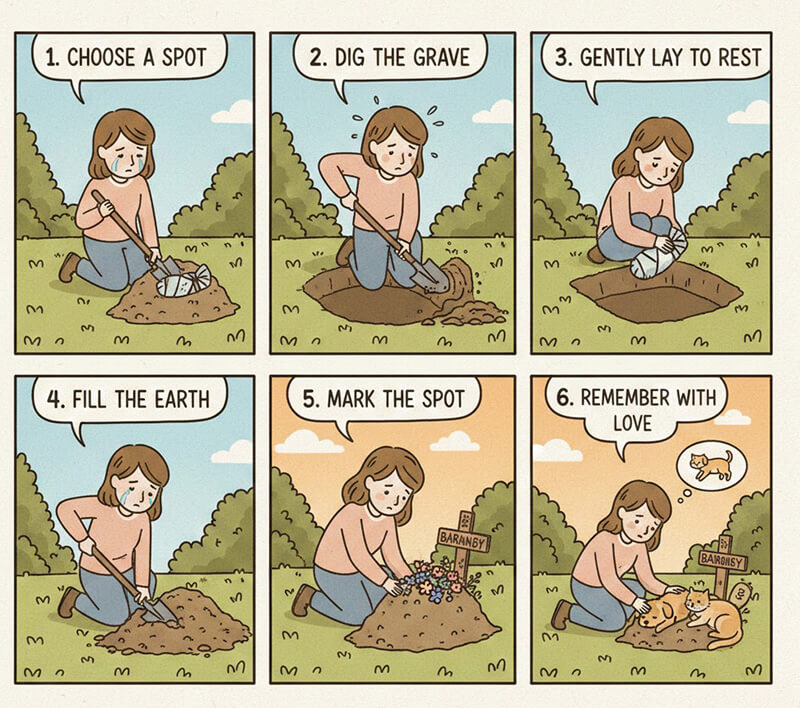
Digging a grave is not an easy job, and it requires the right tools and time. Here is a step-by-step guide to help you with the entire process.
Tools You Need:
• A shovel (a pointed spade works best)
• A pickaxe for hard or rocky soil
• Work gloves
• A measuring tape
• Water to soften hard ground (optional, opt)
Step 1 – Choose the Location: Select a special place about you and your dog. Ensure that it falls within your property and local laws percolates. The area shouldn’t be a water catchment point or too close to tree roots (intrf) in the future.
Step 2 – Mark the Area: The grave should be larger than your dog. For a medium-sized dog, it should be about 3 feet long and 2 feet wide. For a large dog, it should be 4 feet long and 3 feet wide.
Step 3 – Start Digging: First, remove the top layer of grass and soil as you set this to one side for later. Dig as deeply into the ground and then keep the sides as straight as subconsciously possible. This makes it much steadier as a grave.
Step 4 – Measure the Depth: Use a measuring tape, measuring as you dig. Keep going until you’re at least at 3 feet. For dogs larger than that, increase the depth to 4 or 5.
Step 5 – Even Out the Bottom: Try to make it as flat and level as possible at the bottom so that your dog has a nice resting place.
Helpful Tip: Digging a grave three feet deep may take anywhere from 2 to 4 hours (hrs), depending on the type of soil and your fitness level. In case you need help, don’t hesitate to ask a friend or family member. After all, helping out in times of need is no shame.
An Actual Family’s Story
Last Year, Sarah and Tom from Oregon faced this ordeal with their Golden Retriever Max, who passed away when he was 12 years old. They decided to bury Max in their backyard under his favorite tree.
At first, Tom thought two feet would suffice for the grave. Thus, he started digging but quit after reaching that depth since it was hard work. Sarah got unsure whether this depth was enough. So, she called the local animal control office to find out about the rules.
According to him, at least 3 feet is required by law in Oregon. He also warned them of the coyotes that live in their area. He said that burial at less than 3 feet hardly goes unnoticed by wildlife.
That was one foot deeper Tom dug. Another two hours down the line, he realized Max would now rest better than before. The burial site was still undisturbed six months on. According to Sarah, checking the laws and digging deep enough gave peace of mind during this really tough time.
Common Mistakes to Avoid
Do you think that all mistakes in burying animals are the same? Learning such matters in advance could save one from much heartache later.
Mistake 1 – Not Digging Deep Enough: This is the most common problem. If a grave is only 1 or 2 feet deep, it will not keep your pet safe. Animals can smell the remains of the burial from far away and dig it up.
Mistake 2 – Burying Near Water: The worst thing is not to bury a pet near a stream, pond, or well, as with time during decomposition, bacteria and other things can seep into the water, contaminating drinking water and causing harm to the environment (env).
Mistake 3 – Wrapping Pets in Plastic: Some people wrap their dog in plastic bags or tarps. This is a bad idea because plastic does not break down and can cause pollution. It also traps gases and creates odors. Use a biodegradeable blanket or nothing at all.
Mistake 4 – Not Checking Local Laws: You dig first and ask questions later. Some cities fine people who bury pets illegally according to local laws, and the fine can be hundreds of dollars.
Findings From Research: A recent study conducted by the Pet Loss Professionals Alliance finds that 40% of home pet burials are too shallow. Of these, 23% were disturbed by animals within the first year. This risk could be decreased to less than three percent, however, by digging the grave to an appropriate depth.
Mistake 5 – A Bad Place: Avoid any area that you will not possibly build something there in the future. Do not choose a place where water tends to pool after rainfall. Consider any potential landscaping you will plan for the area before digging.
Other Burial Options
Home burial is not the only option. If a deep grave is hard to manage or, in your area, the law disallows it, here are other choices.
Pet cemeteries: A burial location developed purely for pets, with all contraints of its operations assured-the staff will perform the entire service, including digging the grave-with depth levels meeting every legal requirement. Many pet cemeteries also offer markers and memorials. The cost ranges from $500-$2000, depending on location and services rendered.
Cremation: This is the other most popular choice. The ashes may be kept at home in an urn or scattered in a beautiful place. The cost of cremation through is $50-$300 depending on the size of your dog. Some people want cremation and then want to bury the ashes in a smaller, much shallower hole.
Aquamation: A newer method involving water instead of fire, it is more eco-friendly to the environment than cremation; it costs about the same as traditional cremation. Unfortunately, not every area has this grant available.
Memorial Gardens: Some vet clinics and organizations have memorial gardens that allow the burial of pets. These duly maintained areas are also legit for burials, and this option will be great if you keep changing your address often and cannot afford to stay behind with your pet.
Conclusion
For your pet dog to be buried is a matter of personal choice made in trying times. The grave should be at least 3 feet deep for smaller to medium dogs and 4 to 5 feet for larger breeds, keeping the burial site safe against animals and the elements.
Call in advance and check local burial laws. Take care that it is far from any water source. Use appropriate tools while digging and take your time. If home burial seems impossible, other respectful options like pet cemeteries or cremation can be considered.
Your dog gave you years of love and companionship. Honoring this bond by doing this right fills you with serenity. Respect whatever choice you make for your beloved partner.
In Honor of Your Pet
We are fabricators of quality memorials and headstones with years of experience creating lasting tributes for beloved pets. Our team understands that your companion deserves to be commemorated in a dignified and respectable manner.
Whether you need a custom pet memorial stone, engraved marker, or just some guidance in creating the perfect resting place for your friend, we are here to help you through this difficult time.
Contact us today to get compassionate service and quality craftsmanship.