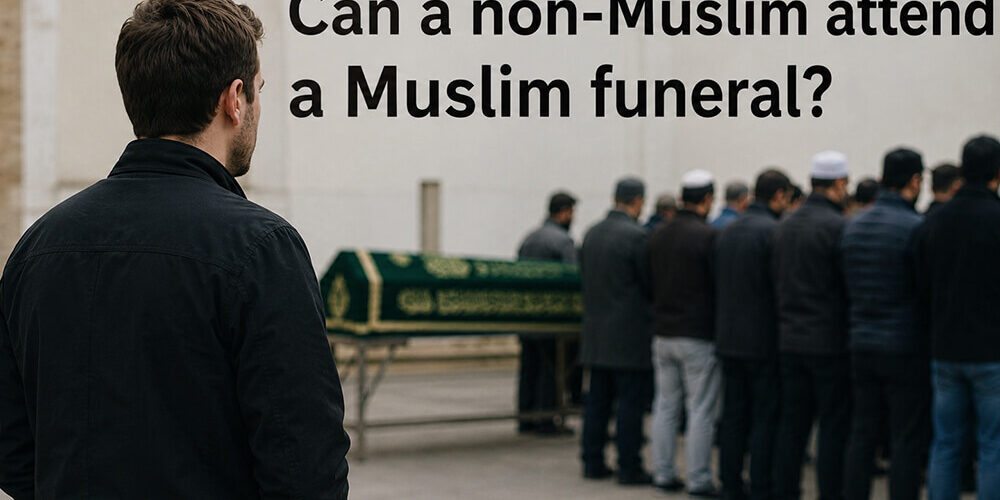
Can a Non-Muslim Attend a Muslim Funeral?
Introduction
Many people feel unsure when they hear about a Muslim funeral. They may wonder, “Am I allowed to attend if I’m not Muslim?” The short answer is yes, in most cases a non-Muslim can attend a Muslim funeral. Muslims often welcome friends, neighbors, co-workers, and relatives who want to show respect and support.
Funerals are emotional moments. Even if people come from different religions, kindness and sympathy still matter. A simple visit, a quiet prayer, or standing beside the family can mean a lot.
Is It Allowed in Islam?
In many Muslim communities, non-Muslims are allowed to attend funerals. Islamic teachings place importance on respect, compassion, and community support. Scholars from different Islamic traditions generally agree that offering condolences is acceptable.
According to reports from Islamic history, the Prophet Muhammad showed respect even during funerals of non-Muslims. This is often used as evidence that kindness and human dignity are important in Islam.
Most Muslim funerals include:
- Washing the body
- Wrapping the body in white cloth
- Funeral prayers
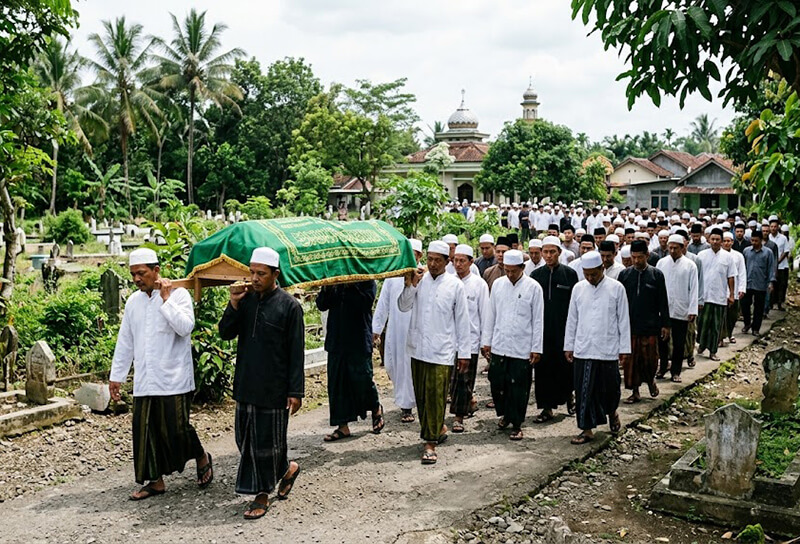
- Burial, usually within 24 hours
Some mosques may have seperate spaces for visitors, and customs can differ by country or culture.
A Real-Life Example
David, a Canadian office worker, once attended the funeral of his Muslim colleague’s father. At first, he wasn’t sure if he should go. He worried he might do something wrong or offend the family.
However, his co-worker told him, “Don’t worry. Just being there means alot to us.”
David wore dark clothing, stayed quiet during the prayers, and offered simple condolences to the family. Later, his colleague said his support helped the family feel less alone during a hard time.
Stories like this happen often. People don’t always remember the exact words someone said, but they do remember who showed up.
What Happens During a Muslim Funeral?
Muslim funerals are usually simple and focused on prayer. They are often less formal than funerals in some Western countries.
Funeral Prayer
The prayer is called Salat al-Janazah. It is normally performed at a mosque or prayer area. Non-Muslims usually don’t participate in the prayer itself, but they can stand quietly nearby.
Burial
Muslims prefer burial instead of cremation. The body is placed in the grave facing the direction of Mecca.
In many Islamic traditions, flowers and loud music aren’t common at funerals.
Dress Code and Etiquette
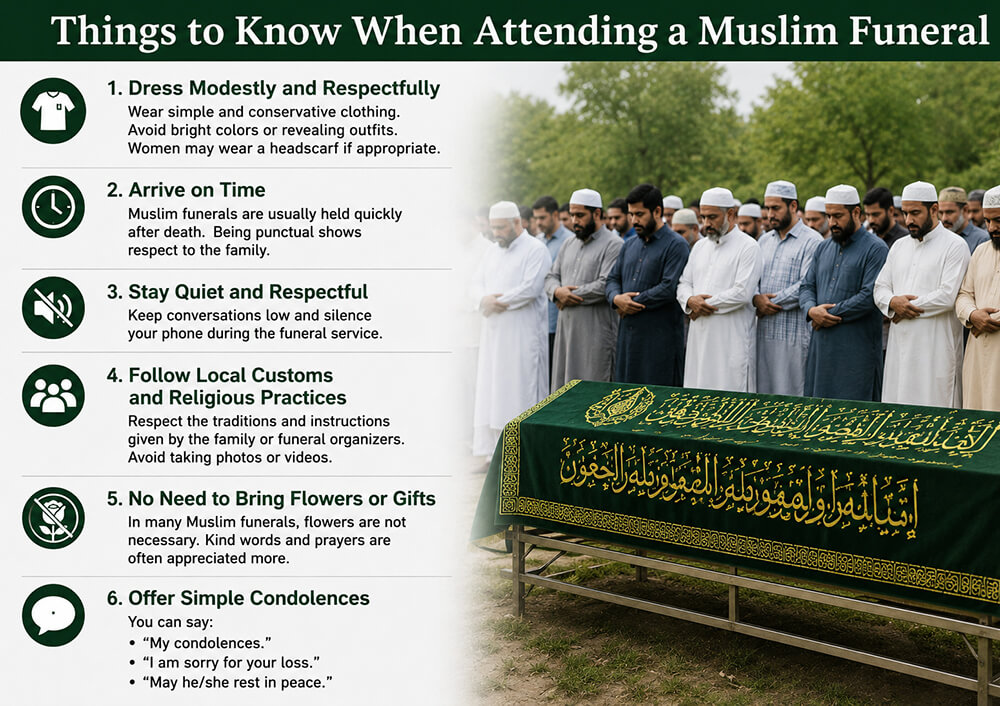
If you attend a Muslim funeral, simple and respectful behavior is enough.
Here are a few tips:
- Wear modest clothing
- Avoid bright colors
- Speak softly
- Turn your phone off
- Follow the family’s lead
- Don’t take photos unless permission is given
Women may sometimes cover their hair when entering a mosque, though practices can vary.
You don’t hav to know every religious custom perfectly. Most families understand that visitors may not be familiar with Islamic traditions.
Facts and Evidence
Research from the Pew Research Center shows that Muslims live in nearly every country and regularly interact with people from different faiths. Interfaith respect has become more common in modern communities.
Islamic organizations in countries such as Canada, United Kingdom, and United States often explain that non-Muslim guests are welcome to attend funerals respectfully.
Experts also say funeral support can help grieving families emotionally. Human connection matters, even when cultures are differant.
Common Questions People Ask
Can I bring flowers?
Sometimes yes, but not every Muslim family expects flowers. It’s better to ask first.
Can I say “Rest in peace”?
Many people do. Simple and kind words are usually appreciated.
What if I don’t know the customs?
That’s okay. Most families won’t expect you to understand every detail. Respectful behavior is usally enough.
Conclusion
So, can a non-Muslim attend a Muslim funeral? In most situations, yes. Attending respectfully is often seen as a kind and thoughtful gesture.
You don’t need to share the same religion to show compassion. During difficult moments, people often care more about support than perfeckt etiquette. Being present, listening quietly, and offering sympathy can matter more than saying the “perfect” thing.
At the end of the day, funerals are about honoring a life and supporting the people left behind. Sometimes, simply showing up says enough.